


 63 / 74

[
] 61
J
ust
, P
e aceful
and
I
nclusi v e
S
ocieties
Towards an effective and accountable public
service delivery for rebuilding in the war-
affected area in Sri Lanka
R Lalitha S Fernando, Head and Professor; W M D M Dissanayaka, Tutor, Department of Public Administration,
University of Sri Jayewardenepura, Sri Lanka
S
ustainable development is considered as the main path
to a desirable and better world. An effective public
service delivery is a prime condition in achieving
sustainable goals set by the United Nations in 2016. Among
those goals, the sixteenth goal concerns Peace, Justice and
Strong Institutions. The main focus of this article is to
examine how to restore effective and efficient public service
delivery in the war-affected area in Sri Lanka where people
experienced a civil war for more than 26 years.
Even though eight years have passed since the end of the
war, many people still stay at welfare camps in Sri Lanka.
This article is based on a field survey in Valikamam North
Divisional Secretariat, Jaffna, Sri Lanka in March 2016. After
the end of the war in 2009, the government of Sri Lanka
has taken several efforts to resettle people and reconstruct
the affected areas. Despite the interventions, several families
still live in welfare camps and feel unhappy with the govern-
ment and public service delivery. The divisional secretariat
in the selected area also faces several challenges in meeting
the expectations of the people. This paper proposes policy
measures as best practices for improving the effectiveness
and responsive public service to promote peaceful and inclu-
sive societies in the light of managerial innovation.
Konatkulam is one of welfare camps situated in Valikamam
north divisional secretariat in the northern part of Jaffna. This
division has a wealth of land, water and human resources,
with an area of nearly 55.8 sq. km. and sea, limestone and
fertile soil as the chief resources which lend a unique status
to the region. But its uniqueness has been affected by the
displacement of its people and by the establishment of high
security zones constructed as a result of the war. The people
seek rehabilitation and hope they will be resettled in their
original villages. Using available resources, people engage
in fishing and farming for their livelihood. Most families
have been living in camps for 26 years with access to very
limited welfare facilities. Their income level has decreased
drastically since the war. The displaced families were not the
recipients of Samurdhi programme which is the main welfare
initiative operating at national level by the central govern-
ment, aiming to increase the income level of poor families.
Moreover, people who live in neighbouring villages treat
those displaced families as strangers as they were perceived
as refugees in the society.
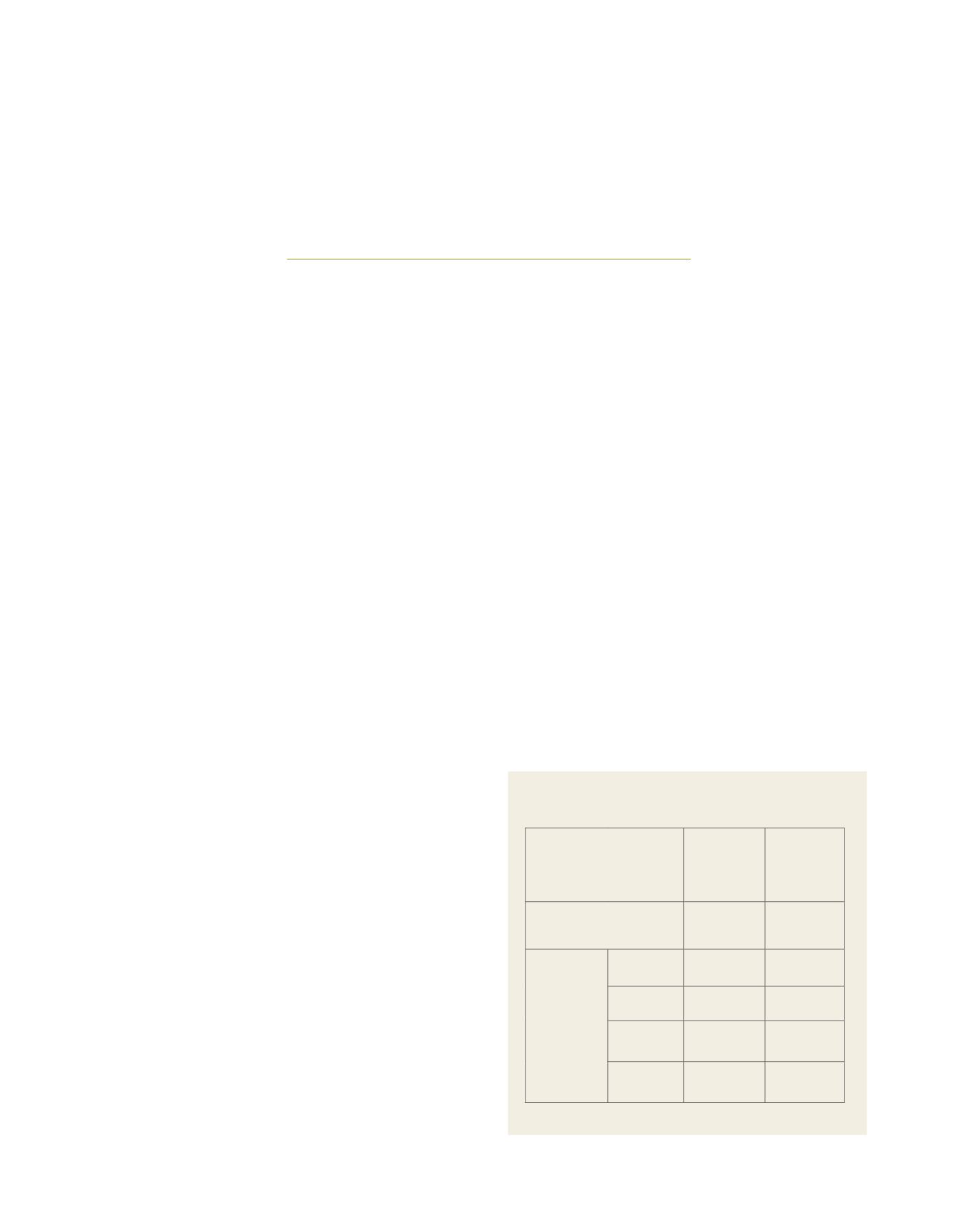
The data in the table below shows that the living condi-
tions of most of the families have gradually decreased and
finally they have become labourers. Even though the govern-
ment promises better places for the people, it has not yet
been realized.
“We need our land back, we were living in our villages
with a dignity. We lost our dignity and are now displaced.
We became daily wage earners. So, we need to build up our
lives and need our lands back.”
1
The majority of the people’s expectation is to go back to
their previous residences, restart previous jobs in their own
areas and reunite with friends and relatives. In terms of the
resettlement, they expect government assistance to build
houses in their old lands and get back to the usual job oppor-
tunities as they are unhappy with life in the camps. Their
human rights are violated as they are not living a respectful
life. Even though some families are unaware of it, they are
very sensitive when talking about their previous lives.
Socio economic status of people in
Konatkulam welfare camp
(Source : survey data,2016)
Status
before
coming to
the welfare
camps
Present
status at
welfare
camps
Average monthly income of a
family (Rs.)
19,375/-
16,000/-
Main sources
of income
generation(%)
Fishery
70%
10%
Agriculture 10%
10%
Self
Employment
11%
11%
Labour and
Other
I9%
60%