


 28 / 74

[
] 26
A B
et ter
W
or ld
2013 and the Child Protection law issued in 2014. These laws
regulated the work of involved parties in child abuse and DV
prevention policies and protected the safety and wellbeing of
children and adults suffering from abuse.
Since 2005, the NFSP has invested in multidisciplinary
training for professionals dealing with cases of CM and DV,
conducting nationwide research studies in collaboration with
the World Health Organization, UNICEF and the International
Society for Prevention of Child Abuse and Neglect, among
others. The NFSP has also contributed to legislation that
protects children and has hosted conferences on both national
and international levels. Below are examples of NFSP building
capacities at all levels over the last decade.
Advocacy and Legislation
In 2007, the King Khalid Foundation presented the NFSP
with a study on the current state of DV in the country, and
the NFSP took the initiative to pass this study to the Al
Shura Council (Saudi Parliament) for approval. The NFSP
then took the study to lobby at the ministerial cabinet for
enactment’s expert panel, playing a significant role in all
stages from disseminating the study to the approval process
and the passage of the legislation in 2014. The legislation
comprises various articles such as mandated reporting that
ensures that professionals working with cases of DV and
CM report cases of abuse to the authorities. Other articles
pertain to response and intervention; these are subjective
for each case depending on the severity and level of threat to
the victim. Depending on the case it would either fall under
the jurisdiction of the police and law enforcement officials
or the health sector and will be followed up by the Ministry
of Labor and Social Development. There are articles referring
to rehabilitation of victims and ensuring punitive measures
for perpetrators.
Hospital based Child Protection Centers
In 2007, the NFSP initiated a national project to establish a
Child Protection Center (CPC) within major hospitals of the
kingdom, aiming at the evaluation of CM cases on a 24-hour
basis by qualified multidisciplinary Child Protection Teams
(CPT). The majority of these centers work together under
one protection committee in designated hospitals. All these
centers were established under the directives of the National
Health Council (NHC) representing all health sectors in
the country. The council accredited 48 hospitals across the
country as CPCs. The population densities and geographical
breadth of these provinces were taken into account in the
establishment of these centers to enable better service cover-
age. All suspected CM cases are now referred to the nearest
CPC and evaluated by a CPT to substantiate abuse allegation.
Confirmed cases are referred to law enforcement officials for
investigation and possible prosecution. CPT members receive
regular training by joint IPSCAN and NFSP programmes.
National Family Safety Registry
Under the umbrella of the CPC project comes the establish-
ment of the National Family Safety Registry (NFSR) which
is currently maintained by the NFSP. Data is collected by
the CPCs and entered into a web- based centralized registry
by CPT members. Collected data enables the determination
of prevalence, demographics, and recurrence of CM or DV,
in addition to the short term services provided. The case
registration form was adapted from the WHO definitions
for various forms of CM.
4
The electronic form has bilingual
entries, Arabic and English, and includes information on
victim, perpetrator, form of abuse, risk factors, investigation,
disposition, consequences, notifications and follow up plan.
The data from this registry is often used for research and as
evidence for advocacy purposes.
Saudi Child Helpline (116-111)
In 2010, the NFSP established the Saudi Child Helpline,
providing children, adolescents (until the age of 18) and
their care givers with counselling and referral services. The
helpline was established with the support of 14 governmen-
tal, non-governmental and international agencies including
UNICEF and the Arab Gulf Program for Development
(AGFUND). Several governmental entities support the
work of the helpline including Ministry of Labor and Social
Development, Ministry of Education, Police, Human Rights
Commission, National Society for Human Rights, National
Childhood Council, and others. Having such a wide network
of support allows the helpline to adequately assist the child
and caregiver’s needs, particularly when the problem is
beyond counselling and requires more severe action. All
calls are answered by trained social workers, psychologists
and a legal advisors. The Saudi Child Helpline was launched
officially in 2012 and operates from 7:00am to 11:00pm
throughout the week and through all holidays. Currently the
NFSP is working to operate the line 24 hours a day, 7 days a
week with a specialized team of call agents.
Awareness campaigns
Major efforts in Saudi Arabia have focused on providing
national awareness on CM and DV through organizing
local, regional and international human rights conferences,
by issuing publications, brochures and books on the subject
and educating adults and children about their rights. There
have been various lectures given at schools and universities
addressing topics of child abuse, DV and elderly abuse in
addition to various media campaigns, events, conferences
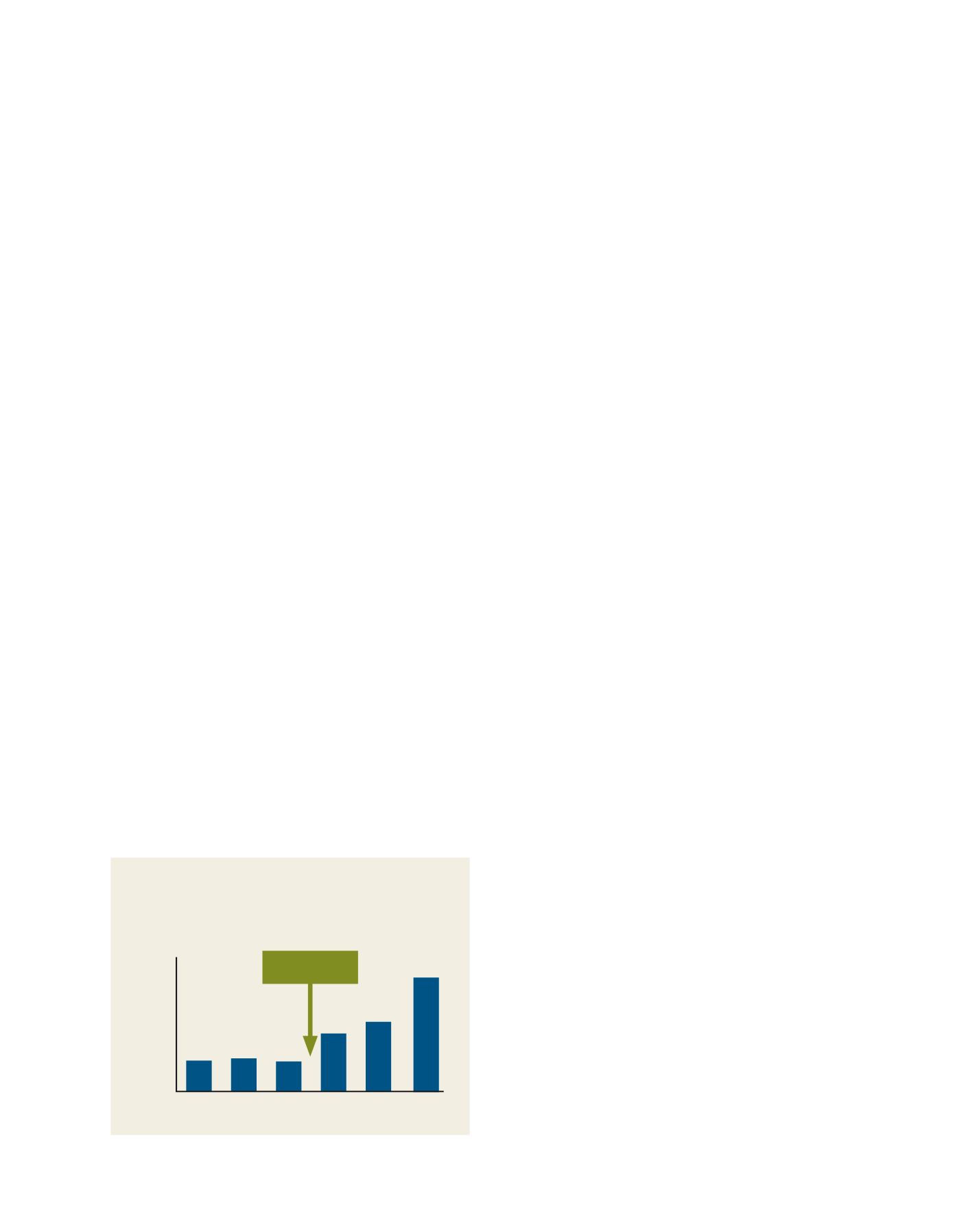
Child Abuse and Neglect Cases from the National
Family Safety Registry, 2011–2016
Registered CAN cases in NFSR, 2011–2016
Years
2011 2012 2013 2014 2015
422
348
180
202
188
700
600
500
400
300
200
100
0
Total registered cases
2016
692
Law of Protection
from Abuse