


 22 / 74

[
] 20
A B
et ter
W
or ld
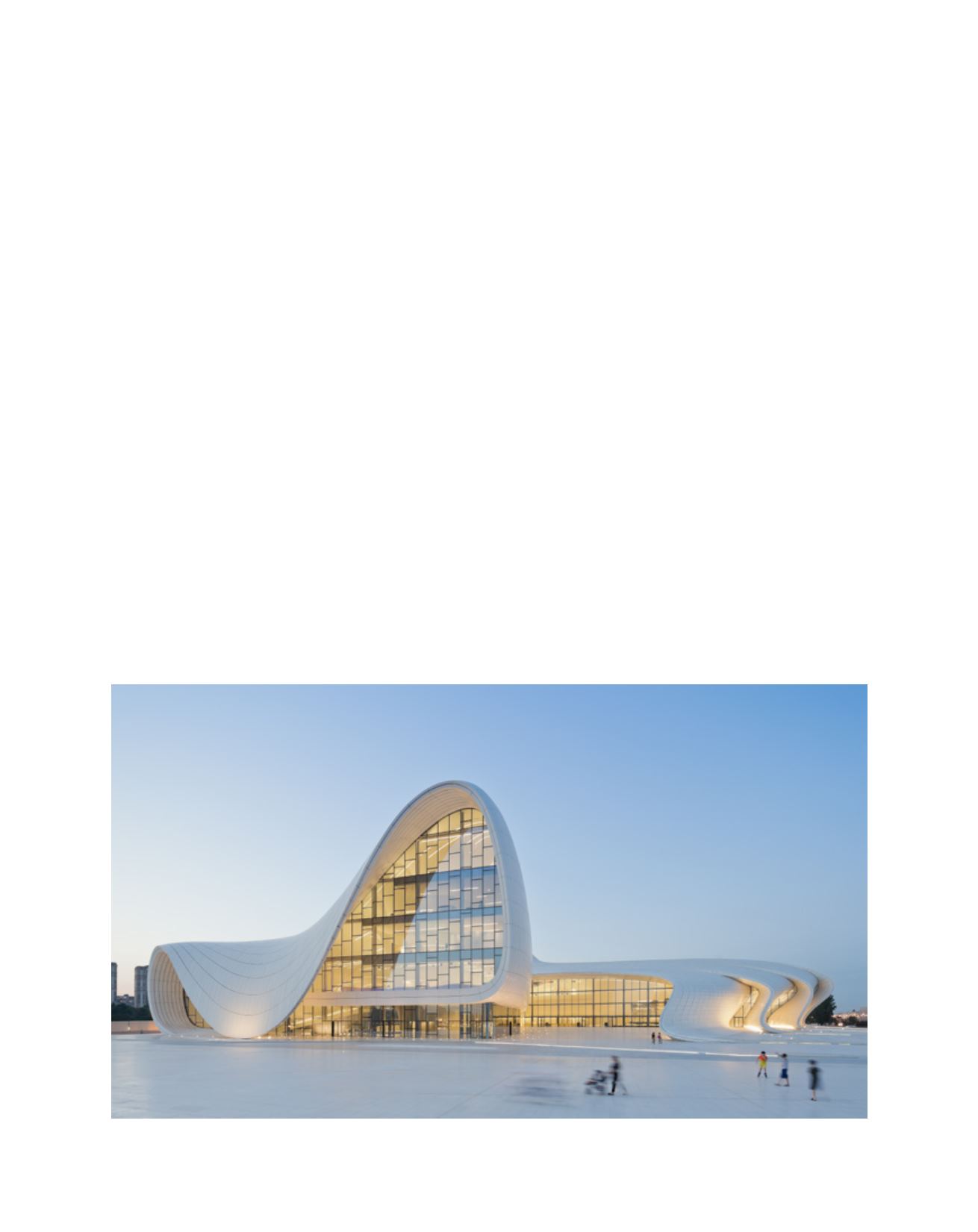
Heydar Aliyev Center, Baku, Azerbaijan
the emergence of a ‘new nationalism’
2
This changed context
affects the nature of the discussions and the programme of
WFID 2017. Peace, stability and economic development in all
parts of the world may be profoundly harmed by the emer-
gence of this growing national introversion, which is also
a threat for the SDGs agenda. Hence, it is more important
than ever to increase efforts to promote cultural diversity
and inclusive societies.
New dimensions: The First High Level Meeting of International
Organisations
Intercultural tensions and conflicts are not caused by the
differences between or the natures of cultures themselves,
but more by the reality that societies are not well equipped
to manage effectively and overcome challenges. While
promoting dialogue and co-operation between the world’s
cultures and peoples and aiming to address existing prob-
lems and increase joint efforts in this field, the Government
of Azerbaijan is introducing an initiative to organize the First
High Level Meeting of International Organizations in the
framework of the Fourth World Forum.
The goal in realising this High Level Meeting is to bring
together the world’s political, cultural, military, economic,
social, financial and other international organizations to
debate human security, sustainable development and inclu-
sive society issues and trace joint actions to settle tensions
between cultures and civilizations often stemming from reli-
gious, cultural and social constraints. This fresh initiative
establishes an additional platform to mobilise resources and
conduct shared activities notwithstanding the universality
of international organizations or regional status and area of
responsibility.
New entrants and global connectors
The WFID Programme for 2017 recognises the changing
global political context and will seek to include all so-called
Global Connectors and reach out directly to new entrants
to WFID – notably the private sector, such as global, local
and technology based companies, particularly those commit-
ted to social impact and broader human security goals, and
the international financial institutions (Banks, IMF, World
Bank etc.,) and other development agencies such as UK DfID,
CIDA, USAID, ASEAN.
These new global connectors are placing fresh empha-
ses within their research, policy and flagship events on the
urgent need to build Inclusive Societies. The private sector is
another important actor, and a somewhat untapped potential
in the promotion of inclusive societies and trust building
among people and cultures. Huge financial resources and
experience can be mobilised through Corporate Social
Responsibility budgets, philanthropy and corporate engage-
ment, and breakout group discussions at WFID 2017 will
explore these potentials. The Baku Forum provides a unique
opportunity to bring together the global connectors and the
leading CSR organizations and to discuss concrete oppor-
tunities of collaboration to promote dialogue and inclusive
societies.
Such new entrants help WFID grow its influence towards
building more inclusive societies – and promoting the
commitment to new avenues for human security that is
central to the WFID 2017 theme.
New regional focus: Asia Pacific
So far, the debate on intercultural dialogue and peaceful
coexistence has been focused mostly on the western world
Image: MCT, Azerbaijan